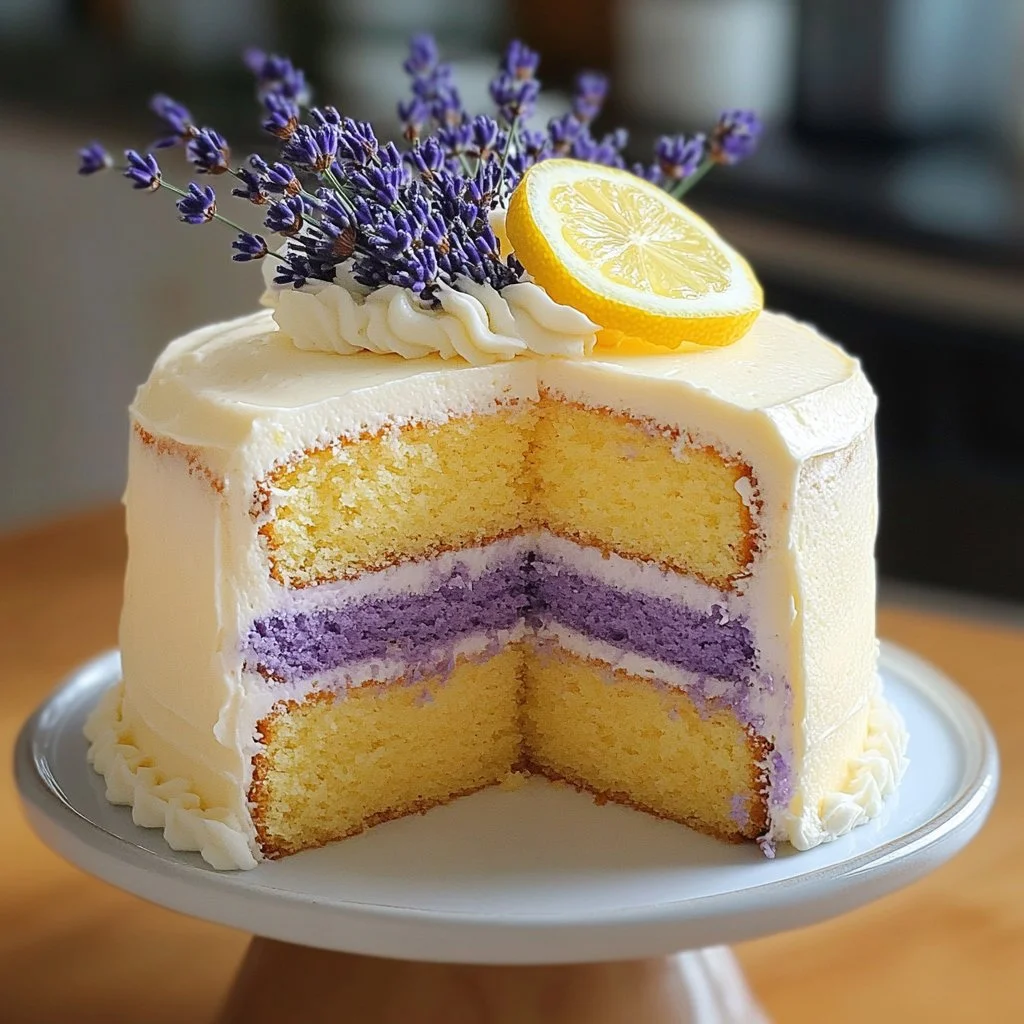
Lemon Lavender Cake
The Lemon Lavender Cake promises a delightful experience that transports your senses to sun-soaked gardens filled with fragrant blooms. The interplay of zesty lemon and aromatic lavender creates a cake that is not only visually stunning with its delicate hues but also an exquisite delight for your taste buds. This recipe is your guide to creating a tender, moist cake, infused with the essence of summer. Get ready to navigate this Culinary adventure step-by-step, as we explore the flavors and techniques that make this cake a standout.
History / Fun Fact
The enchantment of lemon and lavender has roots that intertwine with ancient cultures and sophisticated culinary traditions. Lavender has been cherished since medieval times for its fragrant, calming properties and culinary uses. The blending of lemon and lavender is a quintessential nod to the French patisserie, where both ingredients reflect elegance and sophistication. Historically a symbol of purity and serenity, lavender is often associated with the sun-drenched fields of Provence, adding a mystical touch to desserts and teas alike. You’re not just baking a cake; you’re also engaging in a timeless tradition that celebrates nature’s gifts.
Ingredients
Gather the following ingredients that will bring your Lemon Lavender Cake to life:
- 2 ½ cups all-purpose flour: This will form the tender base of your cake, allowing it to rise perfectly while offering a soft crumb.
- 2 teaspoons baking powder: Essential for giving your cake the lift it needs, creating a light and airy texture.
- ½ teaspoon baking soda: A vital ingredient that works in tandem with the baking powder to ensure optimal fluffiness.
- ½ teaspoon salt: Enhances the flavors, making the sweetness pop.
- ½ cup unsalted butter (softened): Adds a luxurious creaminess, ensuring a rich flavor profile.
- 1 ½ cups granulated sugar: The sweet cornerstone of our recipe, balancing the citrus and aromatic elements beautifully.
- 3 large eggs: Vital for binding and providing moisture to the cake.
- 1 tablespoon finely grated lemon zest: Unleashes the bright aroma and flavor of fresh lemons without the acidity.
- ¼ cup fresh lemon juice: Imparts a refreshing tang that brightens the cake.
- 1 cup whole milk: Contributes to the cake’s tender texture while balancing the richness of butter.
- 2 tablespoons dried lavender buds (culinary grade): Infuses the cake with floral notes that elevate the overall flavor.
- 1 teaspoon vanilla extract: A classic flavor enhancer that marries the other components perfectly.
- 1 ½ cups powdered sugar: For the glaze, ensuring a sugary finish that complements the tartness of the lemon.
- 2 tablespoons fresh lemon juice (for glaze): Adds a zesty kick.
- 1 tablespoon lemon zest (for glaze): Deepens the lemon flavor.
- 1 tablespoon dried lavender buds (culinary grade, for glaze): Ensures the same aromatic touch in the frosting.
- ½ cup unsalted butter (softened, for frosting): Provides a smooth and creamy frosting base.
- 4 cups powdered sugar (for frosting): Sweetness overload for a dreamy finish.
- 2 tablespoons heavy cream: Offers richness and ensures the frosting is spreadable.
- 2 tablespoons fresh lemon juice (for frosting): A bright contrast to the sweetness, balancing the flavors.
- 1 tablespoon lemon zest (for frosting): Enhances the citrus aroma.
- 1 tablespoon dried lavender buds (culinary grade, for frosting): To maintain that floral essence.
- Pinch of salt: Balances the sweetness in the frosting.
Cooking Time & Tips For Lemon Lavender Cake
When preparing the Lemon Lavender Cake, the choice between quick and slow preparation can significantly influence the final result. Quick preparation may sacrifice depth in flavor, especially when infusing the milk with lavender. Slow preparation allows flavors to meld beautifully, resulting in a more fragrant, flavorful cake.
Practical tips for success include:
- Room temperature ingredients: Using butter, eggs, and milk at room temperature will ensure better mixing and a more uniform texture.
- Gentle folding: When combining wet and dry ingredients, mix until just combined to avoid gluten development, which can lead to a dense cake.
- Cool completely: Always cool the cakes completely before frosting; a warm cake can melt your frosting and disrupt the overall look.
Step-by-Step Directions
Preheat the Oven
Begin your baking journey by preheating your oven to 350°F (175°C). While it warms up, take a moment to prepare two 9-inch round cake pans by greasing and lightly flouring them or lining them with parchment paper.
Infuse the Lavender
In a small saucepan, pour in 1 cup of whole milk and place over low heat. Add 2 tablespoons of dried lavender buds to the milk, creating an aromatic infusion that will elevate your cake. Let it steep gently for about 5 minutes. After steeping, remove from heat, let cool, and strain out the lavender buds, leaving you with beautifully infused milk.
Mix Dry Ingredients
In a medium bowl, whisk together 2 ½ cups of all-purpose flour, 2 teaspoons of baking powder, ½ teaspoon of baking soda, and ½ teaspoon of salt. This mixture is essential for providing structure and ensuring an even rise for your cake.
Cream Butter and Sugar
In a large mixing bowl, beat ½ cup of softened unsalted butter and 1 ½ cups of granulated sugar together with an electric mixer on medium speed. Whip until the mixture is light and fluffy, about 3–4 minutes. Enjoy the sweet aroma wafting through your kitchen as you do so.
Add Eggs, Lemon Zest, and Lemon Juice
With the mixer still on low, add the 3 large eggs one at a time, mixing well after each addition. Beat in 1 tablespoon of finely grated lemon zest, ¼ cup of fresh lemon juice, and 1 teaspoon of vanilla extract, blending all the flavors harmoniously together.
Combine Wet and Dry Ingredients
Gradually introduce your dry ingredients to the butter mixture, alternating with the lavender-infused milk. Begin and end this process with the dry ingredients, mixing just until everything is combined to maintain a tender crumb.
Bake
Divide the cake batter evenly between the two prepared pans. Place them in your preheated oven and bake for 25–30 minutes, or until a toothpick inserted into the center comes out clean. The sweet scent of citrus and lavender in the air will surely entice your senses.
Cool
Once baked, allow the cakes to cool in their pans for about 10 minutes. Then, gently turn them out onto a wire rack to cool completely. This is the perfect moment to savor the deliciously fragrant air enveloping your kitchen.
For the Lemon Lavender Glaze
To prepare the glaze, combine 1 ½ cups of powdered sugar, 2 tablespoons of fresh lemon juice, 1 tablespoon of lemon zest, and 1 tablespoon of dried lavender buds. Stir until smooth and set aside, ready to drizzle over the cake.
For the Lemon Buttercream Frosting
In another bowl, cream ½ cup of softened unsalted butter until smooth. Gradually beat in 4 cups of powdered sugar, 2 tablespoons of heavy cream, 2 tablespoons of fresh lemon juice, 1 tablespoon of lemon zest, and 1 tablespoon of dried lavender buds. A pinch of salt will balance the sweetness beautifully, resulting in a luxurious frosting.
Assemble the Cake
Once your cakes are completely cooled, place one layer on a serving platter or cake stand. Generously spread a portion of your lemon buttercream frosting on top. Drizzle a layer of the lemon lavender glaze over the frosting for added flavor and charm. Then, place the second layer on top. Finish by frosting the sides and top with the remaining buttercream, creating a stunning display. Add a sprinkle of edible dried lavender for that final touch of elegance.
Serving Suggestions & Occasions
Lemon Lavender Cake is a versatile dessert, perfect for numerous occasions. Serve it as a delightful treat at afternoon tea, or slice it for birthday celebrations with loved ones. It also makes a thoughtful gift, beautifully wrapped, for friends or family. Pair it with a light cup of herbal tea or ice-cold lemonade for a refreshing afternoon snack. Its delicate flavors are sure to impress at brunch gatherings, picnics, or special holiday events, as the aroma of lemon and lavender fills the air.
Common Mistakes For Lemon Lavender Cake
- Overmixing the batter: This can lead to a dense cake instead of a light, fluffy one.
- Not measuring ingredients accurately: Baking requires precision, so invest in a good kitchen scale or measuring cups for exact measurements.
- Baking at the wrong temperature: Always preheat your oven; mistakes in temperature can lead to uneven baking.
- Skipping the cooling process: Frosting a warm cake can melt your beautiful buttercream and make a mess.
Healthier Alternatives & Variations
For a healthier twist on the Lemon Lavender Cake, consider substituting part of the all-purpose flour with whole wheat flour for added fiber. You may also use Greek yogurt instead of some of the butter to reduce fat while keeping the cake moist. If you want to decrease the sweetness, reduce the granulated sugar by up to one-third without greatly affecting the texture. Lemon and lavender oils can be used instead of dried floral buds for a more concentrated flavor, so feel free to experiment.
FAQs
Can I substitute dried lavender with fresh lavender?
Yes, but use three times the amount of fresh lavender as it is less concentrated.How do I store leftovers?
Store in an airtight container at room temperature for up to 3 days, or refrigerate for up to a week.Can I freeze the cake?
Yes, you can freeze the cake layers (wrapped tightly) for up to a month. Thaw before frosting.What can I replace eggs with?
Use flax eggs (1 tablespoon of ground flaxseed mixed with 2.5 tablespoons of water) for a vegan alternative.How can I make the cake gluten-free?
Substitute gluten-free all-purpose flour, ensuring it contains a binding agent like xanthan gum.Can I add more lemon flavor?
Absolutely! You can include more lemon zest or a few extra tablespoons of fresh lemon juice for a stronger flavor.
Conclusion
Tempting and vibrant, the Lemon Lavender Cake awaits you in your kitchen. With its delightful blend of flavors, this recipe is certain to awaken your senses and become a favorite among friends and family. Don’t wait—gather your ingredients and take your first steps into the world of baking, where the scent of fresh lemons and lavender will create an aromatic masterpiece. Try it immediately, and let its charm enchant your soul!
Lemon Lavender Cake
Ingredients
Cake Ingredients
- 2.5 cups all-purpose flour Forms the tender base of your cake.
- 2 teaspoons baking powder Essential for giving lift.
- 0.5 teaspoon baking soda Works with baking powder for fluffiness.
- 0.5 teaspoon salt Enhances sweet flavors.
- 0.5 cup unsalted butter (softened) Adds creaminess.
- 1.5 cups granulated sugar Balances citrus and floral elements.
- 3 large eggs Provides moisture and binding.
- 1 tablespoon finely grated lemon zest Brightens flavor.
- 0.25 cup fresh lemon juice Adds tanginess.
- 1 cup whole milk Balances richness.
- 2 tablespoons dried lavender buds (culinary grade) Infuses floral notes.
- 1 teaspoon vanilla extract Enhances flavors.
Glaze Ingredients
- 1.5 cups powdered sugar For the glaze.
- 2 tablespoons fresh lemon juice Adds zest.
- 1 tablespoon lemon zest Deepens lemon flavor.
- 1 tablespoon dried lavender buds (culinary grade) Adds floral touch.
Frosting Ingredients
- 0.5 cup unsalted butter (softened) Base of the frosting.
- 4 cups powdered sugar Sweetness for frosting.
- 2 tablespoons heavy cream Ensures spreadability.
- 2 tablespoons fresh lemon juice Balances sweetness.
- 1 tablespoon lemon zest Enhances aroma.
- 1 tablespoon dried lavender buds (culinary grade) Maintains floral essence.
- 1 pinch salt Balances sweetness in frosting.
Instructions
Preparation
- Preheat your oven to 350°F (175°C) and prepare two 9-inch round cake pans by greasing and lightly flouring them.
- In a small saucepan, heat 1 cup of whole milk and add 2 tablespoons of dried lavender buds. Let steep for about 5 minutes, then strain.
- In a medium bowl, whisk together the dry ingredients: flour, baking powder, baking soda, and salt.
- In a large mixing bowl, beat softened butter and granulated sugar until light and fluffy.
- Add the eggs one at a time, mixing well. Then, blend in lemon zest, lemon juice, and vanilla extract.
- Gradually add the dry ingredients to the butter mixture, alternating with the lavender-infused milk.
Baking
- Divide the batter between the pans and bake for 25-30 minutes or until a toothpick comes out clean.
- Allow cakes to cool in pans for 10 minutes, then transfer them to a wire rack to cool completely.
Glaze and Frosting
- For the glaze, mix powdered sugar, lemon juice, lemon zest, and dried lavender until smooth.
- For the frosting, cream butter until smooth, then gradually add powdered sugar, heavy cream, lemon juice, lemon zest, and lavender.
Assembly
- Place one cake layer on a serving platter and spread with lemon buttercream frosting, drizzle with some lemon lavender glaze.
- Top with the second cake layer and frost the top and sides with the remaining buttercream.
- Sprinkle with edible dried lavender for garnish.